
Your safety matters. Use Quick Exit to leave this page instantly (or press Shift + Esc).
Community Support
Support Is Available
If you are experiencing domestic violence or struggling with your wellbeing, support is available. You are not alone.
Puranda CIC is committed to helping create stronger, safer communities and providing supportive spaces where people can be heard, respected and empowered.
I Need Support
Tell us a little about what you are going through and how you would like us to reply. You choose what you share.
Start hereRefer Someone
Concerned about someone else? Let us know how we can help — with their consent wherever possible.
Start hereContact Puranda
General questions about our services, programmes or safe spaces.
Start hereFind Emergency Support
In immediate danger? Call 999. Recognised specialist organisations are listed below.
See emergency contacts
Confidential Enquiry
Reach out to our team
Please only share what you feel comfortable sharing. Consider whether it is safe to use this device and email address. Messages are stored securely and read only by authorised Puranda CIC staff.
Puranda CIC is not an emergency service
We cannot provide crisis or emergency response. If you or someone else is in immediate danger, call 999 now. If you cannot speak, call 999 then press 55 from a mobile.
Recognised UK emergency and specialist support
Emergency, Mental Health & Veterans Support
If you or someone you know needs support, help is available
Emergency Services
999
Emergency Services — Police, Fire, Ambulance, Coastguard
112
Alternative emergency number (UK and Europe)
Urgent Medical & Mental Health Support
NHS 111
Urgent medical advice and mental health support (24/7)
Mental Health & Emotional Support
Samaritans
116 123 — 24 hours a day, free and confidential
Shout Crisis Text Line
Text SHOUT to 85258 (24/7)
Mind Infoline
0300 123 3393
CALM (Campaign Against Living Miserably)
0800 585 858
Support for Veterans, Service Leavers and Military Families
Veterans’ Gateway
The first point of contact for veterans and their families seeking support with mental health, housing, finances, employment and welfare.
- 0808 802 1212 (7 days a week)
- Available via phone, webchat and online support.
Combat Stress
The UK’s leading charity for veterans’ mental health, providing specialist support for PTSD, anxiety, depression and trauma.
- 24/7 Helpline: 0800 138 1619
- Text: 07537 173 683
- Available for veterans, reservists, families and carers.
Op COURAGE — NHS Veterans Mental Health Service (England)
Specialist NHS mental health support for veterans and their families.
- North of England: 0300 373 3332
- Midlands: 0300 323 0137
- East of England: 0300 034 9991
- London: 020 3317 6818
- South East: 0300 365 2000 (Option 4)
- South West: 0300 034 9986
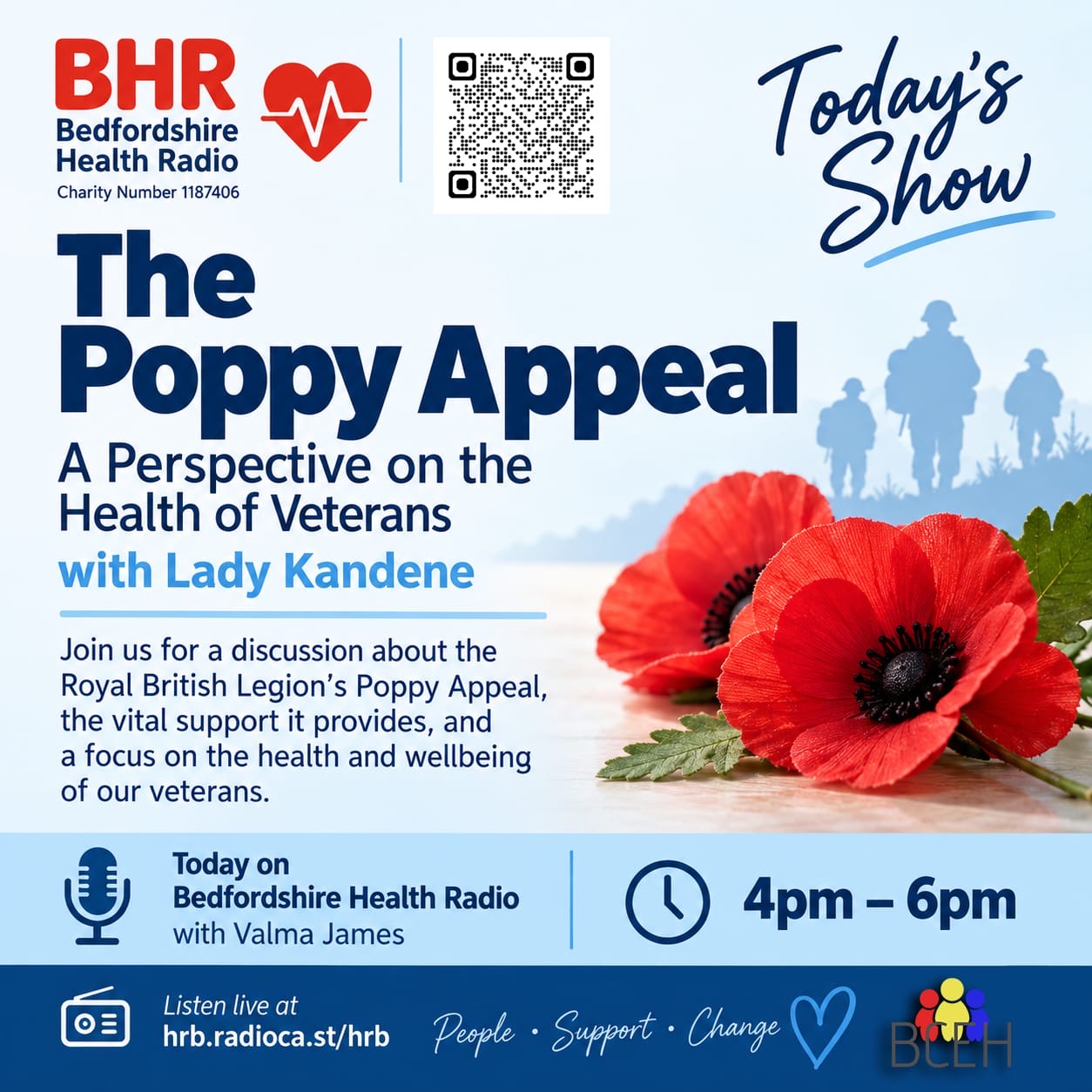
Royal British Legion
Support for serving and ex-serving personnel and their families.
- 0808 802 8080
Veterans UK
Support with pensions, compensation, welfare and service records.
- 0808 191 4218
Military Mental Health Helpline (Serving Personnel & Families)
- 0800 323 4444 (24/7)
In a Crisis
If someone is at immediate risk of harm, call 999 (or 112) immediately or attend your nearest Accident & Emergency (A&E) department.
You do not have to face challenges alone. Reaching out for support is a sign of strength, and help is available 24 hours a day.
— Lady K Puranda (Coward)
Domestic Abuse
When Coercion Takes Away Choice
Cognitive dissonance can develop when a person knows something is wrong but is repeatedly pressured to think, believe or do otherwise.
Coercive control exploits that conflict.
Through intimidation, manipulation, isolation, threats, financial pressure, humiliation and psychological abuse, a perpetrator can gradually undermine a person’s confidence until compliance feels safer than saying no.
This can affect anyone including serving personnel, veterans, partners and families. A person’s strength, rank, service history or outward confidence does not make them immune to coercion.
For police officers and safeguarding professionals, look beyond the single incident. Ask what happened before it, what pressure was applied, whether the person was genuinely free to choose, and whether there is a continuing pattern.
The College of Policing states that officers should recognise patterns of controlling or coercive behaviour, assess risk, gather evidence and ensure victims are safer after police contact.
In England and Wales, controlling or coercive behaviour may constitute an offence under section 76 of the Serious Crime Act 2015, where the statutory conditions are met.
Do not mistake compliance for consent.
Do not mistake silence for agreement.
Do not mistake confidence for safety.
Listen. Identify the pattern. Assess the risk. Protect the person. Restore their ability to make their own informed choices.
Everyone has the right to think independently, say NO and live without another person controlling their decisions.
— Lady K Puranda (Coward)
Domestic Abuse — DVA Summit
Whose voice is missing when we talk about systems designed to protect people?
In conjunction with Blackwall Street Media
On Friday 27 November 2026, the 3rd DARDR/DVA & Criminal Justice Summit will bring together professionals, academics, policymakers, practitioners, community organisations and, critically, lived-experience voices at King’s College Strand, London.
This year’s theme is: “The Voice of the Child, Young Person & Service User.”
For me, this is about more than holding another conference. It is about challenging a familiar pattern: we say we listen to children, young people, survivors and service users — but too often their experiences remain on the margins when decisions are made about their lives.
Meaningful systemic change requires us to move beyond consultation towards participation, co-production and accountability.
We need to ask:
- Are children’s voices genuinely embedded in safeguarding reviews and DARDRs/DHRs?
- Are young people being heard when we address violence, exploitation and online harm?
- Are trauma, mental health and emotional wellbeing understood across policing, education, health and social care?
- Are survivors and service users influencing the design and delivery of the services they depend upon?
- And are we properly recognising the impact of race, culture, disability, immigration status and inequality on people’s experiences of systems?
The Summit is being delivered in partnership with King’s College London, Step Up Hub and I AM Brent, bringing together academic expertise, grassroots knowledge and lived experience.
The challenge is simple, but profound: listening is not enough.
“This Summit is about more than listening. It is about asking what we do with what we hear.”
That is the conversation we need. Not simply “Did we listen?” But:
“What will we do with what we hear?”
- Date
- Friday 27 November 2026
- Location
- King’s College Strand, London
- Format
- Hybrid — In Person & Virtual
- Accreditation
- CPD Accredited
- In-person tickets
- £45
- Virtual tickets
- £25
If you work in safeguarding, criminal justice, policing, domestic abuse, health, education, social care, community work or policy — or if you bring lived experience to these conversations — this is a conversation worth being part of.
— Lady K Puranda (Coward), in conjunction with Blackwall Street Media
Domestic Abuse — Safeguarding
National Safeguarding Framework for the Prevention of Dating Violence, Sexual Abuse, and Violence Against Women and Girls
Violence against women and girls remains one of the most significant safeguarding challenges facing society. Too often, warning signs are identified only after abuse has escalated into serious harm, sexual violence, or homicide. A national safeguarding approach must shift from reacting to abuse after it occurs to preventing abuse through early identification, intervention, education, accountability, and legal protection.
This framework calls for coordinated action across government, education, policing, courts, health services, and community organisations to strengthen protection for women and girls and ensure that perpetrators are identified and managed before serious harm occurs.
National Safeguarding Priorities
1. Early Identification of High-Risk Behaviour
Public agencies should recognise and respond to behaviours commonly associated with coercive control, stalking, sexual violence, and domestic abuse, including:
- Persistent monitoring and surveillance of partners
- Isolation from family, friends, and support networks
- Threats, intimidation, and manipulation
- Extreme possessiveness and entitlement
- Repeated harassment and stalking behaviours
- Online misogynistic extremism and targeted hatred towards women
- Patterns of behaviour indicating escalating risk
Early intervention should be treated as a safeguarding necessity rather than waiting for physical violence to occur.
2. Mandatory Education and Prevention Programmes
All schools should deliver age-appropriate education covering:
- Healthy relationships
- Consent and bodily autonomy
- Respect and equality
- Digital safety and online exploitation
- Recognition of coercive control and abusive behaviours
- Reporting pathways and support services
Prevention education should be embedded within national safeguarding standards.
3. Strengthening Police Response
Police forces should adopt a consistent national approach to violence against women and girls through:
- Specialist training on coercive control, stalking, sexual violence, and trauma-informed practice
- Enhanced risk assessment procedures
- Early intervention protocols for repeat offenders and escalating behaviours
- Improved intelligence-sharing between agencies
- Stronger monitoring of individuals posing a significant risk to women and girls
Victim safety should remain the primary consideration throughout all investigations.
4. Court and Justice System Reform
Legal reform should ensure that victims receive timely protection and access to justice. Recommended reforms include:
- Faster access to protective orders
- Improved enforcement of restraining orders and bail conditions
- Specialist domestic abuse and sexual violence courts
- Greater recognition of coercive control and stalking as indicators of escalating risk
- Enhanced sentencing powers for repeat offenders
- Improved victim advocacy and legal support services
The justice system must demonstrate that violence against women and girls is treated as a serious public protection issue.
5. National Risk Management and Safeguarding Partnerships
Local safeguarding partnerships should establish formal mechanisms for identifying and managing individuals who present a significant risk of violence against women and girls. This should include:
- Multi-agency risk assessment
- Information-sharing between police, education, health, and social care services
- Early intervention programmes
- Ongoing safeguarding reviews where serious risks are identified
Victim-Centred Support
Victims and survivors should have access to:
- Trauma-informed support services
- Independent advocacy
- Emergency accommodation where necessary
- Mental health support
- Legal guidance and protection
No victim should be discouraged from seeking help because of fear, stigma, or institutional failures.
National Commitment
Protecting women and girls requires more than awareness campaigns. It requires systemic reform, early intervention, effective safeguarding, and accountability.
Governments, police services, courts, educational institutions, and safeguarding agencies must work together to create a society where abusive behaviour is identified early, victims are protected, and perpetrators are held accountable.
Violence against women and girls is not inevitable.
Through strong safeguarding systems, robust legal protections, and a commitment to prevention, lives can be protected and future harm prevented.
— Lady K Puranda (Coward)
Domestic Abuse — Crime & Violence
Crime and Violence
In UK law, organised abuse of an ex-partner can involve one person coordinating with others to intimidate, monitor, harass, threaten, discredit, financially harm or otherwise control the victim. It may involve friends, relatives or associates carrying out different parts of the conduct. The fact that several people are involved does not make the conduct lawful simply because the main perpetrator did not personally carry out every act.
Where there is evidence that people agreed together to commit offences, this can amount to conspiracy under section 1 of the Criminal Law Act 1977. A person who intentionally encourages or assists another person to commit a crime may also be prosecuted under sections 44–46 of the Serious Crime Act 2007.
For the ex-partner themselves, repeated or continuous controlling behaviour can constitute controlling or coercive behaviour under section 76 of the Serious Crime Act 2015, as amended by the Domestic Abuse Act 2021. This applies to former partners even when they no longer live together. The maximum penalty on conviction on indictment is five years’ imprisonment, a fine, or both.
Depending on the evidence, additional offences may include stalking or harassment, assault, criminal damage, threats, fraud or other offences. The police and CPS should consider the whole pattern of conduct, not isolated incidents.
In simple terms: organising other people to help harm an ex-partner can itself become part of the criminal case.
The evidence determines the charge and each participant can be held individually accountable for their own criminal involvement.
— Lady K Puranda (Coward)
Community — Black History Month
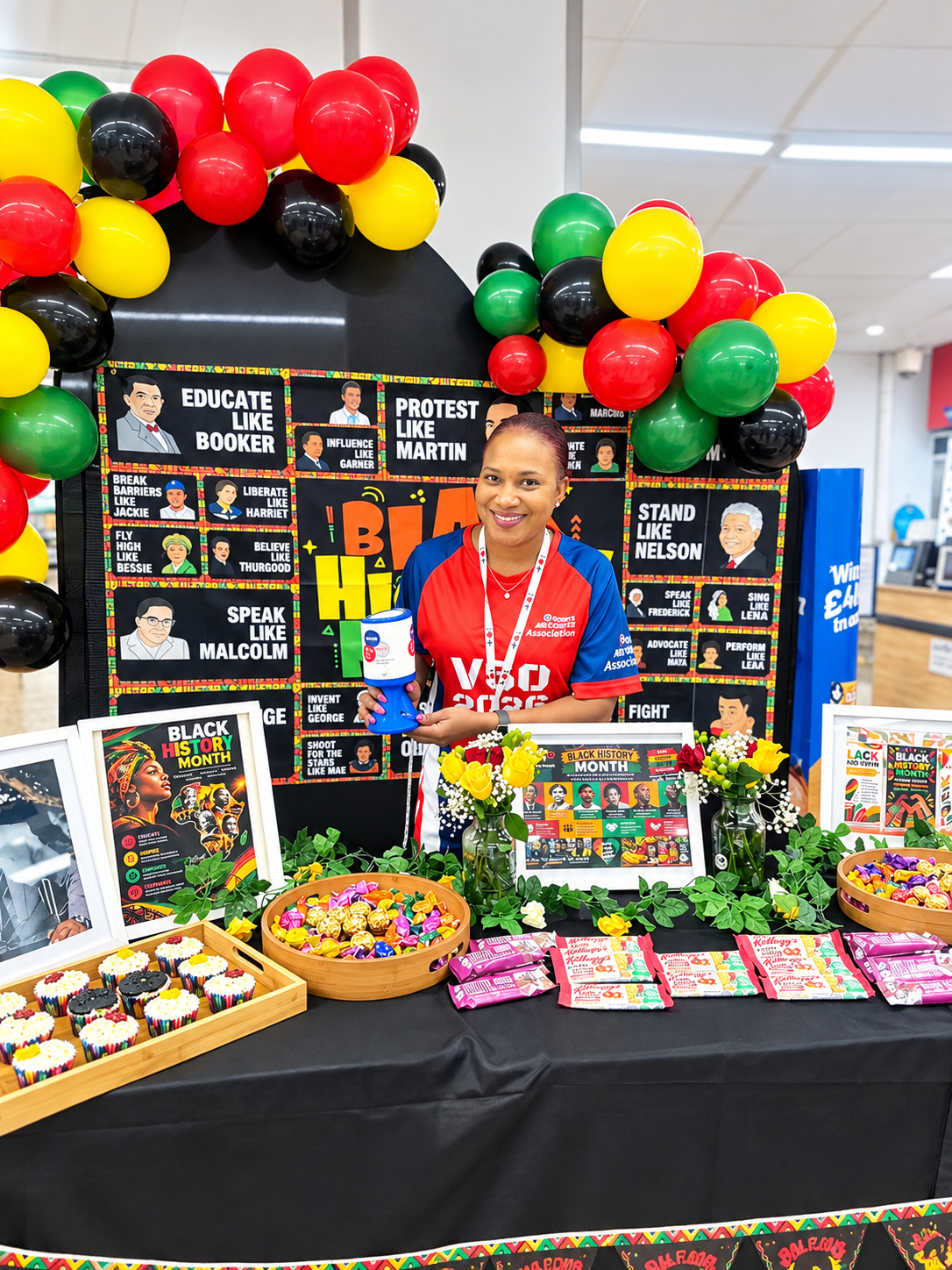
Black History Month
Honouring the Past • Empowering the Present • Inspiring the Future
Celebrating Leaders Who Changed the World
- Nelson Mandela —Champion of Freedom and Reconciliation
- Dr. Martin Luther King Jr. —Leader of the Civil Rights Movement
- Rosa Parks —Mother of the Civil Rights Movement
- Malcolm X —Advocate for Human Rights and Empowerment
- Maya Angelou —Poet, Author, and Voice of Resilience
- Harriet Tubman —Freedom Fighter and Humanitarian
- Frederick Douglass —Abolitionist and Social Reformer
- Mary Seacole —Pioneer Nurse and Community Leader
- Archbishop Desmond Tutu —Advocate for Peace and Justice
- Kofi Annan —Global Humanitarian and Diplomat
- Sir Learie Constantine —Equality Campaigner and Public Servant
- Walter Tull —British Army Officer and Football Pioneer
- Ulric Cross —Distinguished RAF Navigator and Judge
- General Colin Powell —Military Leader and Statesman
- Sergeant William Hall VC —First Black Recipient of the Victoria Cross in the Commonwealth
- Althea Gibson —Trailblazing Sporting Pioneer
- Barack Obama —First African American President of the United States
Their Legacy Lives On Through Us
“The true measure of our lives is the difference we make in the lives of others.”
Black History Month 2026
Celebrating Diversity • Leadership • Integrity • Justice • Solidarity • Community • Excellence
Together We Remember. Together We Rise. Together We Lead.



— Lady K Puranda (Coward)